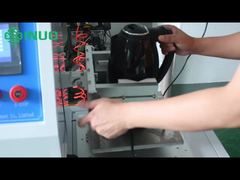
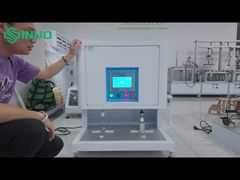
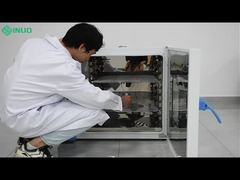
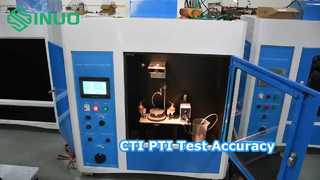
Brief: Discover how the ASTM Simulated Transportation Vibration Test Table works in this detailed demonstration. Watch as we showcase the machine's operation, from setting up a test sample to observing how it simulates real-world transportation bumps and shocks. Learn how this testing helps evaluate product durability, detect potential damage, and improve reliability for industries like electronics, automotive, and toys.
Related Product Features:
Digital display for precise vibration speed control, adjustable to meet specific testing requirements.
Synchronous silent belt drive ensures low-noise operation during testing cycles.
Rail-type clamping mechanism provides convenient and safe sample securing on the platform.
Heavy-duty channel steel base with vibration-damping rubber pads for stable, long-term operation.
AC variable frequency motor delivers smooth performance and strong load capacity up to 100 kg.
Rotary vibration mode simulates 'Running Horse' style movement to replicate transportation conditions.
Complies with international standards including EN71, ANSI, UL, ASTM, and ISTA for global acceptance.
Tests for structural strength, component loosening, wear, and electronic connection issues.
FAQs:
What industries is this vibration test table suitable for?
This testing machine is applicable to a wide range of industries including electronics, electromechanical, optoelectronic, automotive, toys, furniture, gifts, ceramics, communication equipment, and computers for durability testing.
What testing standards does this equipment comply with?
The vibration test table meets European and American transportation standards and complies with EN71, ANSI, UL, ASTM, and ISTA testing standards for reliable and internationally recognized results.
What is the maximum test load capacity of this vibration table?
The ASTM Simulated Transportation Vibration Test Table has a maximum test load capacity of 100 kg, making it suitable for testing various product sizes and weights.
How does this testing help improve product quality?
By simulating transportation vibrations, this testing helps identify structural weaknesses, component damage, and resonance issues early, allowing for design improvements that can increase return rates by 20% and reduce unnecessary costs by 18%.